Nairobi
Maria Sarungi Tsehai
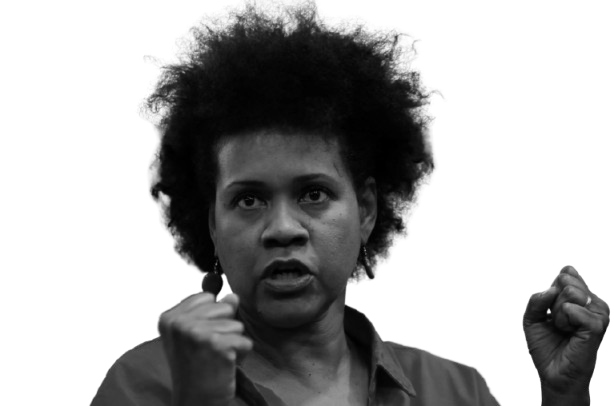
Maria Sarungi Tsehai is a Tanzanian activist known for her online campaign #ChangeTanzania. It began as a hashtag on Twitter aimed at encouraging Tanzanian citizens to participate in bringing about positive change in various aspects of life, especially in political matters. She is also recognized for helping young women achieve their goals in the fashion industry, as she serves as the director of Miss Universe Tanzania. Tsehai is widely known for her advocacy for change in Tanzania. Through the use of media, she promotes education for young women and stands firmly against discrimination toward women. On 12 January 2025, Maria Sarungi was reportedly abducted in Kenya. According to Amnesty Kenya, she was taken by three armed men in a black Toyota Noah vehicle from Chaka Place in Nairobi’s Kilimani area at approximately 3:15 p.m., after leaving a salon.
Nairobi
Kizza Besigye, Haji Obed Kamulegeya
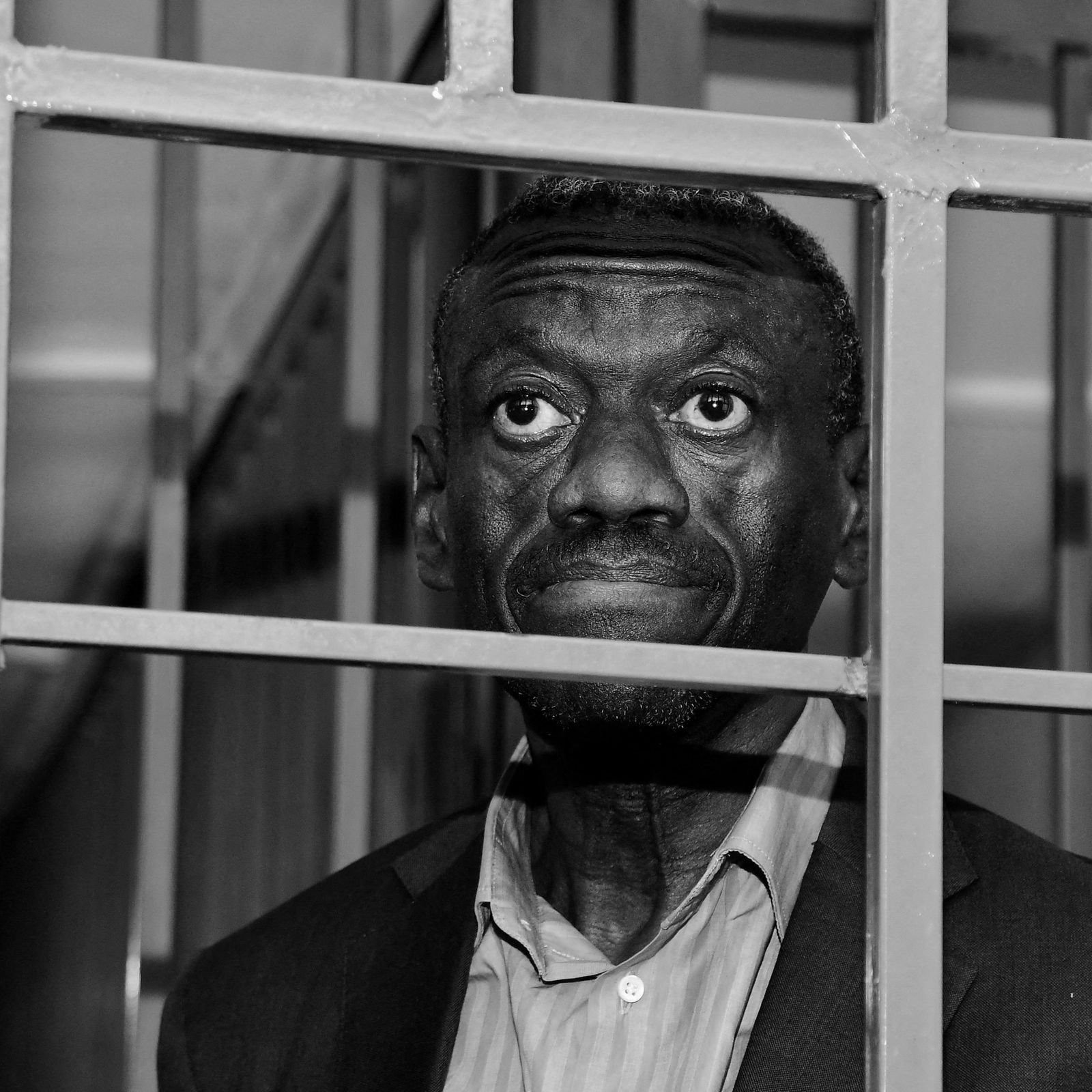
Dr. Kizza Besigye is a Ugandan physician, opposition politician, and former military officer. Born on 22 April 1956, he is widely known as Colonel Dr. Kizza Besigye. He served as president of the Forum for Democratic Change (FDC) and was a four-time presidential candidate in Uganda’s 2001, 2006, 2011, and 2016 elections, losing each time to incumbent Yoweri Museveni. The 2006 election results were contested in court, which found evidence of massive rigging and disenfranchisement. Besigye initiated an early internal FDC election for a successor in 2012. In November 2024, Besigye was abducted in Nairobi, Kenya, by eight unidentified men and was held incommunicado before being arraigned before a military court in Kampala, Uganda. He was charged alongside FDC member Haji Obeid Lutale with security-related offences, including unlawful possession of firearms and negotiating for arms in Geneva, Athens, and Nairobi. Despite being a civilian, he was remanded to Luzira Maximum Security Prison and remains detained as investigations continue. The abduction has sparked controversy, with reports indicating Kenyan security agencies' involvement, though the Kenyan government denies any role. Legal experts and human rights groups, including Amnesty International, have condemned his trial in a military court as unlawful. Besigye, once Museveni’s personal physician during Uganda’s civil war, has become a long-time critic of the regime, which has been accused of human rights violations against opposition members. Ugandan authorities maintain that all actions are legal and within due process.
Nairobi
Mustafa Genç, Öztürk Uzun, Alparslan Taşçı, Hüseyin Yeşilsu, Saadet Taşçı, Nacdet Seyitoglu, Abdullah Genc
On 18 October 2024, seven Turkish asylum seekers—Mustafa Genç, his son Abdullah Genç, Hüseyin Yeşilsu, Necdet Seyitoğlu, Öztürk Uzun, Alparslan Taşçı, and his wife Saadet Taşçı—were abducted in the Kileleshwa area of Nairobi while en route to their office. The individuals, who are teachers under United Nations protection and had sought asylum in Kenya, were reportedly taken by unknown persons in a suspected act of transnational repression. As of 19 October 2024, three individuals—Abdullah Genç, Necdet Seyitoğlu, and Saadet Taşçı—had been released. However, Hüseyin Yeşilsu, Öztürk Uzun, and Alparslan Taşçı remain missing and are at grave risk of refoulement, a serious violation of international law. Their abduction constitutes a breach of both Kenyan and international refugee law, including the principle of non-refoulement under the 1951 Refugee Convention and the African Union Convention Governing Specific Aspects of Refugee Problems in Africa. Amnesty International Kenya has condemned the abductions and raised alarm over the potential unlawful and forceful return of the missing individuals to Turkey, where they could face severe human rights violations. Amnesty has urged the Government of Kenya to take immediate steps to locate the missing persons, ensure their safety, and return them to their families. The organization also called on the Ministries of Interior and Foreign Affairs, the Judiciary, the Directorate of Criminal Investigations, the Anti-Terrorism Police Unit, the Office of the Director of Public Prosecutions, the Independent Policing Oversight Authority, and the Kenya National Commission on Human Rights to investigate and hold accountable those involved. Amnesty emphasized that transnational repression is an international crime and must be addressed transparently and urgently. These events have raised serious concerns about Kenya’s commitment to protecting refugees and asylum seekers, particularly at a time when the country is seeking membership on the United Nations Human Rights Council.
Nairobi
Abdullah Genç

Abdullah Genç, a 16-year-old student in Kenya, is the son of Mustafa Genç and Saadet Taşçı, both Turkish nationals living in Kenya as refugees. His father, Mustafa Genç, is a respected board member of HAART Kenya, an organization focused on combating human trafficking. The family sought the protection of the Kenyan government under international refugee protocols. On the morning of 18 October 2024, at around 9:30 a.m., Abdullah Genç was abducted along with six others—his father Mustafa Genç, his mother Saadet Taşçı, and fellow Turkish asylum seekers Hüseyin Yeşilsu, Necdet Seyitoğlu, Öztürk Uzun, and Alparslan Taşçı. The incident occurred in the Kileleshwa area of Nairobi while they were on their way to work. According to reports, a black Jeep deliberately struck their car and four masked gunmen emerged, wielding firearms and forcefully transferring the victims into another vehicle. They were zip-tied, blindfolded, and their vehicle’s license plates were seen being changed during the journey. Abdullah Genç later reported that after about two hours of being driven around Nairobi, his abductors realized he was only 16 years old. He was transferred to a different car and driven for another two hours before being released approximately 500 meters from his home. During the abduction, all his personal belongings were taken. While Abdullah Genç, Necdet Seyitoğlu, and Saadet Taşçı have since been released, Hüseyin Yeşilsu, Öztürk Uzun, and Alparslan Taşçı remain missing. Amnesty International has expressed grave concern over the risk of refoulement, which would be a serious violation of international law, including the 1951 Refugee Convention and Kenyan refugee law. The incident highlights the ongoing threats faced by refugees and asylum seekers in Kenya and underscores the need for urgent protection and accountability.
Nairobi
Necdet Seyidoglu
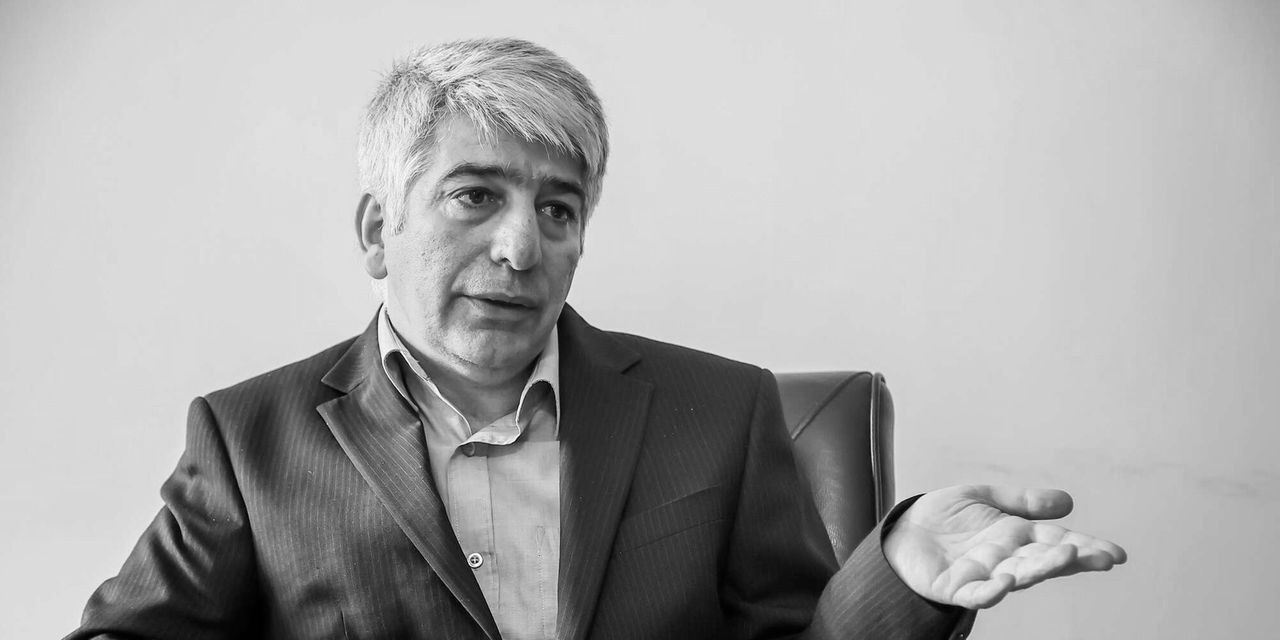
Necdet Seyitoğlu is a Turkish national who lived in the United Kingdom for over 18 years before relocating to Kenya, where he has worked as an education consultant for the past two years. On the morning of Friday, 18 October 2024, at approximately 7:30 a.m., he was abducted in Nairobi while leaving his home for work with a friend. Their car was intercepted by a white SUV, and four masked, armed men forced them into another vehicle. Both were blindfolded and handcuffed. Mr. Seyitoğlu reported that the abductors did not identify themselves or explain where they were being taken, despite repeated requests. He described the ordeal as the worst experience of his life. He was eventually able to convince his captors that he held British citizenship by showing a copy of his passport on his phone. After taking a photo of the passport, the masked men appeared to receive a call instructing them to release him. He was dropped at an unfamiliar location and given 1,000 Kenyan shillings (approximately $7.50) for transport. However, his phone and laptop were not returned. Kenyan police confirmed they were investigating a kidnapping incident following a witness report from a motorcycle driver. According to police spokeswoman Resila Onyango, two vehicles had blocked a silver saloon car before eight armed individuals abducted the occupants. A British national of Turkish origin, Yusuf Kar, later identified the kidnapped men as Hüseyin Yeşilsu and Necdet Seyitoğlu. The UK Foreign Office stated they were providing consular support to Mr. Seyitoğlu and his family. Amnesty International and a local law firm have raised concerns over the legality of the abductions and the risk of forced deportation to Turkey, which may expose the victims to political persecution. Mr. Seyitoğlu also confirmed that six other Turkish citizens he knew were abducted in a similar manner from different locations in Nairobi, raising concerns about a coordinated transnational repression operation.
Kisumu
Uganda Opposition Members, Forum for Democratic Change
The Forum for Democratic Change (FDC), founded on 16 December 2004, is Uganda’s main opposition party. It emerged from the Reform Agenda—a movement largely formed by former members and supporters of President Yoweri Museveni’s National Resistance Movement (NRM). Dr. Kizza Besigye, a former Museveni ally, served as the party’s presidential candidate in the 2001, 2006, 2011, and 2016 general elections. In 2006, he secured 37.4% of the vote against Museveni’s 59%, a result he disputed, citing electoral fraud. The party’s parliamentary representation peaked in 2006 with 37 out of 289 seats, but declined in 2011 with only 34 seats. Leadership transitioned from Mugisha Muntu (2012–2017) to Patrick Oboi Amuriat (2017–2022). The party has frequently faced police brutality and state repression within Uganda. In 2024, FDC found itself entangled in a cross-border controversy involving the arrest and deportation of its members from Kenya. On 22–23 July 2024, 36 members of the FDC—33 men and 3 women—traveled by road to Kisumu, Kenya, reportedly to attend a leadership training retreat. The group was arrested and deported by what FDC claims was a coordinated operation between Ugandan and Kenyan security agencies. Kenyan authorities denied any official involvement and stated they were unaware of the incident. FDC leadership, including Katonga faction president Erias Lukwago, condemned the move, accusing both governments of collusion and vowing to file a formal protest with the Kenyan High Commission in Kampala. Upon their forced return to Uganda, the group was charged with terrorism-related offenses. According to court filings, the prosecution alleges the suspects traveled to Kisumu for the purpose of providing or receiving terrorist training. All 36 individuals were remanded to Luzira Prison in Uganda. The External Security Organization of Uganda claimed the arrest was based on intelligence suggesting the group was holding an unauthorized assembly. International observers and rights groups have raised concerns over the legality of the cross-border abduction and the lack of due process, including the absence of formal extradition or deportation orders.
Nairobi
Yusuf Ahmed Gasana
Mr. Yusuf Ahmed Gasana is a Rwandan human rights defender, a member of the Rwandese Refugee Initiative United, and an active participant in the Tushirikiane Africa (TUSA) community-based organisation in Kenya. His advocacy has focused on the protection and empowerment of Rwandan refugees, particularly those who fled Rwanda before 31 December 1998. Through legal empowerment and community organizing, Mr. Gasana has worked to ensure Kenya’s compliance with international refugee law, especially in response to the UNHCR’s 30 June 2013 Cessation of Refugee Status Declaration. Mr. Gasana has consistently opposed involuntary repatriation of Rwandan refugees, asserting that Rwanda remains unsafe for many. His efforts have involved mobilizing refugee communities to resist unlawful returns and to assert their legal protections under Kenyan and international law. On 30 May 2023, at approximately 7:00 PM, Mr. Gasana was abducted from his home in a gated community in Nairobi, Kenya, by unidentified men posing as potential tenants. His mobile phone was confiscated, and he was taken without a warrant or formal explanation. No valuables were stolen from his home. His family reported his disappearance to Kenyan authorities but received no response. Reports later indicated that Mr. Gasana was subjected to an **enforced disappearance** and **extraordinary rendition to Rwanda**, allegedly facilitated by **Kenyan State agents in collusion with Rwandan operatives**. The UN Working Group on Enforced or Involuntary Disappearances registered his case as urgent and raised it with the Government of Kenya in its September 2023 report to the Human Rights Council. Between September 2023 and March 2024, Gasana's family heard informally that he was being held in a secret detention facility in Rwanda with other uncharged detainees. He was reportedly released after six months, though formal acknowledgment of his detention or release has not been made public. Mr. Gasana's case has drawn international attention as a serious violation of human rights and international law. UN experts have called on Kenya and Rwanda to provide a full account of his abduction, whereabouts during detention, and the circumstances of his alleged rendition.
Mombasa
Zakaria Kamal Abashikiekh
Zakaria Kamal Abashiekh was born in Mombasa 30 years ago. Little was known about him until April 2023, when he was arrested for allegedly providing logistical support to the Somalia-based terrorist group Al-Shabaab by supplying weapons and other essential materials. He made headlines after going missing in Mombasa, only for Somali intelligence to later confirm his arrest in Somalia. On June 27, 2023, Zakaria was charged with purchasing military equipment in China and shipping it in three containers to Mogadishu. He was released on a Kshs. 1 million bond after spending over a month in police custody. Investigators probed his role in supplying military gear to Somalia. The case before Senior Shanzu Principal Magistrate Yusuf Shikanda included charges under Kenya’s Prevention of Terrorism Act, such as belonging to a terrorist group and aiding terrorist acts. Zakaria was initially arrested in April 2023 at the Mama Ngina Waterfront on suspicion of shipping weapons and explosives to Somalia for Al-Shabaab. According to an affidavit by investigating officer Corporal Gideon Wambua, Zakaria bought assorted military items shipped to Mogadishu, originating from China, where he had spent his school years. One container was intercepted at the port disguised as normal goods. Inspection revealed high-spec military equipment, including five drones capable of carrying 10 liters of liquid at 500 meters altitude, rifle scopes, military uniform materials, 3,000 meters of canvas for tents, portable solar panels, military-grade walkie-talkies, camouflage suits, night vision goggles, spy devices, flashlights, batteries, and military helmets. Between April and May, investigators found evidence from his mobile phone and his confessions indicating he provided logistical support to Al-Shabaab. The container number MSMU826114145G1, intercepted by Somali authorities, contained the military gear linked to him. Despite this background, Zakaria is reportedly involved in a Kenyan government tender (AE-MOTI-281723-GO-RFB) to supply drones, raising serious national security concerns.
Nairobi
Morris Mabior Awikjok Bak
Mr. Morris Mabior Awikjok Bak is South Sudanese, a former civil servant and a vocal critic of various officials and institutions within the South Sudan Government. He has consistently condemned the lack of democracy, poor governance, and rampant corruption, as well as violations of human and peoples’ rights committed by the government. Morris has openly accused figures such as General Akol Koor Kuc, Director-General of the Internal Security Bureau (ISB) of the National Security Service (NSS), of criminal activities including corruption, arbitrary arrests, enforced disappearances, torture, and extrajudicial executions both within South Sudan and abroad. Due to credible threats from the NSS, Morris fled South Sudan in April 2021 and has since lived in Nairobi, Kenya. On 4 February 2023, Morris was abducted from his apartment in Chokaa, Nairobi, by armed men reportedly dressed in Kenyan police uniforms. His wife was assaulted, and their phones, laptops, and documents were seized. Eyewitnesses and human rights groups allege complicity between Kenyan and South Sudanese security and immigration officials in the abduction. It is believed that Morris was forcibly deported to Juba, South Sudan, between 5 and 6 February 2023. Since then, he has been held incommunicado and arbitrarily detained at the South Sudan National Security Service headquarters, known as the ‘Blue House’. His family remains deeply concerned for his safety, fearing he may be subjected to torture or other cruel treatment. To date, he has not been brought before a court or afforded fair trial rights. South Sudanese media reported that Morris was “extradited” to face charges of abusing government officials, citing NSS sources. Family efforts in Kenya and South Sudan to locate him have been unsuccessful, and both governments have remained silent. Human rights advocates stress that any extradition must be lawful, transparent, and respect the principle of non-refoulement. If Kenyan authorities facilitated Morris’s forced return without due process, it would violate their obligations toward refugees and damage Kenya’s regional human rights reputation.
Nairobi
Frank David Ssemogerere Ndugwa
In a recent ruling, Judge Mugabe dismissed Ssemogerere’s allegations of torture during custody. Mugabe cited testimony from the first three prosecution witnesses, who stated that Ssemogerere was in good health while detained. When shown to the court, Ssemogerere’s back bore no signs of beating or torture, leading Mugabe to conclude that the torture claim “holds no water.” The court also confirmed the validity of the charge and caution statement, noting that Ssemogerere signed it and did not deny the signature. Consequently, Mugabe ordered the statement to be admitted as evidence in the main case. Ssemogerere faces charges alongside several co-accused individuals: Stuart Lugendo Savio Paul alias Kuffa Teeka (28), Julius Mulindwa alias Julio (32), Muhammed Mosh Nyanzi Makunbi alias Engineer (31), Isa Kizito aka Commander Muto (22), Godfrey Agodri alias Walker Ramathan (23), Paul Lyamuremye (18), and Faizo Miti (30).
Nairobi
Brightish Daniels Mazinga Juuko
Brightish Daniels Mazinga Juuko is a South Africa-based Ugandan academic and political economist. Holding advanced degrees in management and political economy, Juuko was a lecturer and Board Executive President of Bridmaz University Education Services, overseeing academics. As President of the Federal Labour Democrats (FLD) Save Uganda Patriots, he fiercely criticized Uganda’s government, styling himself Commander-in-Chief of a liberation struggle, which made him a target. Juuko was abducted from Kenya in late 2022 under false pretenses and forcibly taken to Uganda, bypassing extradition procedures. He endured nearly a year in custody under the Chieftaincy of Military Intelligence before being transferred to Kitalya Prison’s harsh conditions. He faces charges including national security violations and illegal firearms possession, similar to Dr. Kizza Besigye, who was abducted in Nairobi in 2024 and faced military trials later deemed illegal by Ugandan courts. Uganda’s use of military courts for civilians defies 2022 and 2025 rulings and international law. Juuko’s detention for over 572 days without a fair trial violates his rights to liberty and justice. His abduction, alongside the 2024 arrest of 36 activists in Kisumu, signals regional complicity that undermines East Africa’s rule of law. Juuko was called to lecture in Kenya, but the trip was a trap; he was abducted, smuggled into Uganda at night, and detained at CMI for 11 months without trial, enduring daily interrogations. Later, he was taken to Makindye court martial without legal or family support and remanded to Kitalya Prison. His only other court appearance in February 2024 ended with him waiting in a holding cell, never seeing a judge. He remains in legal limbo. Juuko’s case is emblematic of Uganda’s forgotten political prisoners. The international community and human rights advocates are urged to demand his immediate release.
Nairobi
Arshad Sharif
Arshad Sharif (February 1973 – 23 October 2022) was a Pakistani journalist, writer, and news anchor known for investigative journalism covering political events in Pakistan for national and international media. He received the Pride of Performance award from the President of Pakistan, Arif Alvi, on 23 March 2019, for his contributions to journalism. Sharif was an outspoken critic of the Pakistani army and hosted the program Power Play on ARY News. He also served as News Director at AAJ News and was previously director news at Dunya News, where he hosted the program Kyun. On 22 October 2022, Sharif was shot and killed by Kenyan police near Nairobi. A 592-page report by Pakistan’s Federal Investigation Agency (FIA) described his killing as a “planned targeted assassination,” alleging Kenyan police were used as instruments in the operation. Kenyan authorities claimed Sharif’s vehicle sped through a roadblock during a search for a similar car linked to a child abduction case and said the shooting was a case of mistaken identity. However, Sharif’s family and Pakistani investigators have disputed this, stating the killing was premeditated in Pakistan. On 23 October 2023, exactly one year after his death, Sharif’s widow, Javeria Siddique, filed a lawsuit in Kenyan court. The Kajiado High Court ruled that the police acted unlawfully by using lethal force and ordered the Kenyan state to pay over $77,000 in compensation to Sharif’s family. The court described the use of deadly force as “arbitrary, un-proportional, illegal and unconstitutional.” The payment was suspended temporarily due to claimed lack of funds, and the court directed authorities to complete the investigation and take action against the officers involved. Sharif had fled Pakistan earlier in 2022 to avoid arrest on charges related to criticizing national institutions. Before settling in Kenya, he spent time in Dubai and the United Kingdom. He was killed around 10:00 pm local time on 23 October 2022, shot in the head by Ke
Nairobi
Samson Teklemichael
Samson Teklemichael, a 40-year-old Ethiopian businessman, was abducted on November 19, 2021, in broad daylight on Loitokitok Road near the Kileleshwa Roundabout in Nairobi, Kenya. Witnesses report that he was stopped while driving his Bentley car by a man wearing a traffic police uniform and later forcibly taken by three men in civilian clothes. The abductors bundled him into a white Subaru Forester with registration number KCD 445K, which was later identified as a vehicle registered to a lorry owned by a Kenyan and a local bank. Despite videos taken by passers-by capturing the abduction, his whereabouts remain unknown. Samson managed to call his wife, Milen Mezgebo, during the abduction, telling her he was being taken by unknown individuals before his phone was switched off. Since then, he has not been seen or heard from. His wife and family have reported the case to the police and the Ethiopian embassy, but no significant progress has been made. The abandoned Bentley was found later parked along the road in Kileleshwa. The family continues to plead with the Kenyan government for information regarding Samson Teklemichael’s disappearance.
Nairobi
Abdiwahab Sheikh Abdiswamad
Abdiwahab Sheikh Abdisamad is a Somali Kenyan and Kenyan citizen. He serves as the executive director of the Institute for Horn of Africa Strategic Studies and is an analyst at Southlink Consultants. On September 8, 2021, Abdisamad was abducted in Nairobi’s Central Business District. At about 10 a.m., he was accosted by four men along Tubman Road near City Supermarket and forced into a white double-cabin pickup truck with registration number KCW 341Y. A security guard witnessed the struggle, noting one abductor held handcuffs and another was armed with a pistol. The Kenya Directorate of Criminal Investigations (DCI) launched an investigation into the abduction, with DCI boss George Kinoti committing to establish Abdisamad’s whereabouts. His family alleges that the abduction was ordered by the office of Somali Prime Minister Mohamed Roble. Abdiwahab’s sister, Faiso Sheikh Abdisamad, stated that the order for his arrest came from PM Roble’s office, despite Abdiwahab’s non-involvement in Somali politics and his advocacy for Somalia’s unity. Abdiwahab was last seen in Nairobi on the morning of September 8, 2021, and remains missing.
Nairobi
Nnamdi Kanu
Mazi Nnamdi Okwu Kanu (born 25 September 1967) is a British political activist known for advocating the independence of Biafra from Nigeria. He is the leader of the Indigenous People of Biafra (IPOB), which he founded in 2012. The main aim of IPOB is to restore the defunct Republic of Biafra, which existed in Nigeria’s Eastern region during the Nigerian Civil War of 1967–1970. As the director of a UK-registered radio station named Radio Biafra, Kanu propagated Biafran separatism. He was arrested on treason charges in Lagos, Nigeria, on 14 October 2015 and was detained for more than a year, despite various court orders ruling for his release. When in court, Kanu regularly appeared wearing a Jewish prayer shawl and head covering. He said in court that he “believes in Judaism” and considers himself a Jew. He has led his Biafran people in various Jewish prayers and religious observances on different occasions. On 28 April 2017, Kanu was released from prison on bail. Nigerian security forces attempted to quash IPOB’s armed wing, the Eastern Security Network, which culminated in a low-level conflict in early 2021. Despite the fighting, Kanu maintained that IPOB was interested in a peaceful solution and achieving Biafran independence without violence or harm. In June 2021, he was widely reported to have been allegedly re-arrested by Interpol in Kenya and handed over to Nigeria, but in April 2024, Interpol denied any involvement in the arrest and subsequent rendition to Nigeria. Details about his abduction: A Biafra separatist leader and UK national was arrested by Nigerian authorities in Kenya and taken to Nigeria in an act of extraordinary rendition, his family and lawyers have claimed. Nnamdi Kanu, a British-Nigerian citizen, fled Nigeria in 2017 while on bail facing charges of terrorism and incitement. He was arrested last week and brought to Nigeria’s capital, Abuja. Nigerian authorities have declined to say where he was taken from. The sudden arrest caused widespread surprise in Nigeria, as his whereabouts had been unknown for years. Kanu, the leader of the Indigenous People of Biafra (IPOB) — a prominent separatist movement proscribed in Nigeria — has long been a widely known and controversial figure in Nigeria. He has called for Biafra independence, including in broadcasts from Radio Biafra — a digital station he founded and ran from his home in South London. He was abducted from an airport parking lot in Kenya. According to him, the IPOB leader was arrested through “collaborative efforts of Nigerian intelligence and security services.” Kanu, who is being prosecuted on charges of treasonable felony, was thereafter arraigned at the Federal High Court in Abuja. It was his first court appearance since he fled Nigeria in September 2017 after an invasion of his home by the military in Afara-Ukwu, near Umuahia in Abia State. "Kanu had arrived in Kenya and settled down in a house. On June 19, 2021, he drove himself in a car to the international airport to meet a person arriving in the country for a high-level IPOB meeting. He drove into the underground parking lot at the airport and was arrested before exiting the car. He was taken to a house and brutalized for eight days while the Nigerian authorities perfected how to forcefully relocate him to Nigeria." Nnamdi Kanu, a dual citizen of both the United Kingdom (UK) and Nigeria who entered Kenya on a UK passport, was abducted on June 19, 2021, at Jomo Kenyatta International Airport in Nairobi while picking up a friend. He was seized by armed individuals, believed to be Kenyan and Nigerian security officials, without an enforceable warrant or judicial order.
Nairobi
Selahaddin Gulen
Selahaddin Gulen is a Turkish citizen who lived in Kenya and taught at a school in Nairobi. Individuals and media linked to Gulen's movement said on social media that Selahaddin had been "kidnapped" in Kenya, launching a campaign calling for his release. Selahaddin Gulen is accused of belonging to the "FETO terrorist organisation," the term used by Ankara to describe Fethullah Gulen's movement. He has been accused of belonging to an outlawed organisation headed by his uncle, Fethullah Gulen. However, his wife, Serriye, a teacher in Kenya, said in a video on social media that her husband had gone missing in Nairobi in early May. Turkey's Anadolu news agency published a photograph of Mr. Gulen in handcuffs, with Turkish flags on each side of him. The outlet did not say if his capture—carried out by Turkey's National Intelligence Organisation (MIT)—had been made in agreement with Kenya. His uncle, Fethullah Gulen, has been accused of masterminding a failed military coup in 2016, which killed 251 people and injured more than 2,000. Details about the arrest: Selahaddin Gulen was dramatically abducted by Turkish intelligence officers in Nairobi, Kenya, on 3 May 2021. Reports at the time indicated that his car was blocked just a stone’s throw away from the Directorate of Criminal Investigation (DCI) headquarters before unknown men ordered him into another car and sped off. He was abducted on Monday, 3 May 2021, while heading to the DCI headquarters along Kiambu Road by Turkish intelligence officers in Nairobi, Kenya.
Nairobi
Aggrey Ezbon Idri
Aggrey Ezbon Idri was a member of the Sudan People’s Liberation Movement-In Opposition (SPLM-IO) and a vocal critic of the government. He was abducted and executed after fleeing to Kenya. Africa Uncensored breaks down the timeline of events following his disappearance and execution. A UN report revealed that Aggrey Ezbon Idri and human rights lawyer Dong Samuel were kidnapped in Kenya on the 23rd and 24th of January 2017, and killed on the 27th in Luri, on the outskirts of Juba. According to his wife, Ayah Benjamin, Aggrey left their home at Valley Arcade, a neighborhood in Nairobi, for a morning jog at 7:00 AM on 24th January 2017 but never returned. On the same day, the family filed formal missing persons reports at two police stations—Muthangari Police Station and Kilimani Police Station.
Nairobi
Dong Samuel Luak
Dong Samuel Luak, a prominent South Sudanese lawyer and human rights activist, went missing on the night of 23 January. Aggrey Idri, a member of the Sudan People’s Liberation Movement-In Opposition (SPLM-IO), went missing on 24 January. Credible sources indicated that both were detained by Kenyan authorities and were at imminent risk of deportation. However, both South Sudanese and Kenyan officials denied having them in custody and did not provide any information about their whereabouts. A UN report revealed that Aggrey Ezbon Idri and human rights lawyer Dong Samuel were kidnapped in Kenya on the 23rd and 24th of January 2017, and killed on the 27th in Luri, on the outskirts of Juba.
Nairobi
James Gatdet Dak Lampuor
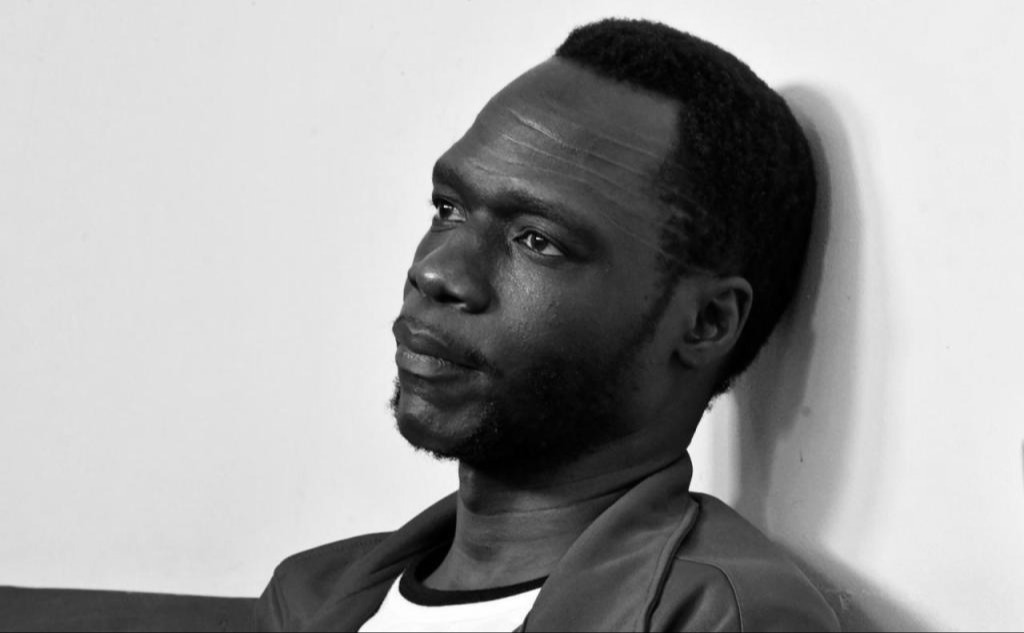
James Gatdek Lampour, a South Sudanese national, was the Press Secretary for South Sudan’s First Vice President, Dr. Riek Machar. Gatdek was recently sentenced to death on charges of treason and incitement against the government. Kur Lual, Gatdet’s lawyer in Juba, told Radio Tamazuj that he had filed an appeal against the death sentence on Monday. He pointed out that sentencing Gatdet requires a letter from the country’s president confirming that Gatdet committed treason. The defense lawyer also noted that they are now waiting for the Court of Appeal to invite them soon. Gatdet was sentenced to death alongside William John Endley, a South African national who was one of Machar’s advisers. James Gatdet was extradited from Kenya by Kenyan security forces on orders from the South Sudanese government. Since his illegal deportation, he has been held in Blue House by the National Security Service since 2016. Sources close to the secretive trial revealed that even if Gatdet wins the appeal within 15 days, he still faces more cases. According to the prosecution, Gatdet is facing 20 additional pending allegations in Juba. It was added that secretly, as a Plan B, the judges have already sentenced him to 20 years in prison, though he has 15 days to appeal the verdict at the High Court. Meanwhile, Machar’s appointed governor for Imatong State, Nathaniel Oyet, said, “We know James Gatdet is alive; he has been tortured beyond measure and maimed. If anything happens to Gatdet (executed), there are those who shall be held personally responsible,” he warned. There was no official communication from the police or the Kenyan government on why Gatdet was arrested in Nairobi. However, reports indicate that he was picked up soon after issuing a statement supporting the sacking of Kenyan peacekeeping Force Commander Johnson Ondieki by the UN.
Garissa
Abdirahman Ahmed Dakane
Abdirahman Ahmed Dakane is Somali by nationality and a teacher by profession in Kenya. He was arrested and abducted in Garissa, Kenya, on August 22, 2015. At the time, he was assisting The Advocates with fact-finding for its report to the African Commission when he was abducted. Sources believe that he was arrested by the Anti-Terror Unit of the Kenyan Police. Abdirahman Ahmed Dakane, a teacher in Garissa, Kenya, was arrested at work in August 2015 by police officers attached to the Kenyan Anti-Terrorism Police Unit (ATPU). The 30-year-old man of Somali origin had been working with the U.S.-based organization Advocates for Human Rights to seek justice for victims of police violence in Garissa County. According to eyewitnesses, Dakane was arrested for cooperating with the enemy outside Kenya. The officers beat him and hauled him away. Dakane has not been seen since. The case of Abdirahman Ahmed Dakane is one example of violence against civilians by the Kenyan police and security forces. Between 2011 and 2016, human rights organizations, newspapers, and independent agencies collected several hundred witness statements of police violence or violence against civilians. The 323 human rights violations in the database include arbitrary arrests, extortion, illegal detention, torture, killings, and disappearances. In total, there were 127 enforced disappearances and 112 extrajudicial killings in the five-year period. Victims were often rounded up and detained for hours or days without legal basis, and many were tortured while in detention. He was arrested on Saturday, 22 August 2015, at 10:01 am in Garissa, Kenya, by police officers attached to the Kenyan Anti-Terrorism Police Unit (ATPU).
Nairobi
Abdullah Ocalan
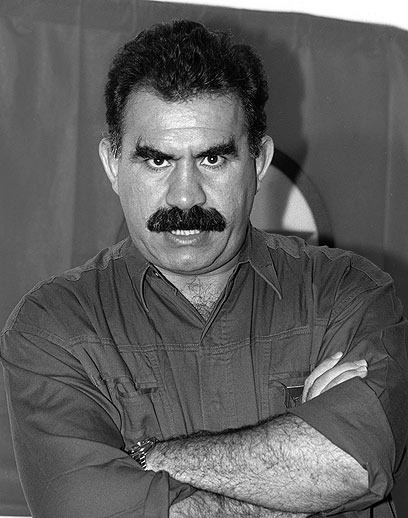
Abdullah Öcalan was the founder and leader of the Kurdistan Workers' Party (PKK), which had been engaged in an armed conflict with the Turkish state since the 1980s. The capture of Öcalan was a major turning point in the Kurdish conflict, with the PKK facing a leadership vacuum and its armed struggle encountering significant challenges. Despite his imprisonment, Öcalan has continued to exert significant influence over the PKK, particularly in recent years, calling for peace and a resolution to the conflict. The capture led to widespread protests and condemnation, particularly among Kurdish communities worldwide. The abduction was widely viewed as a violation of international law and a strategic move by Turkey to weaken the Kurdish movement. Öcalan was subjected to a trial in Turkey that was criticized as a politically motivated show trial. Öcalan’s imprisonment and isolation have remained a source of controversy and concern for human rights organizations and the international community. There are ongoing calls for his release and for a more peaceful resolution to the Kurdish question. Some observers suggest that Öcalan’s treatment is a test of Turkey’s commitment to human rights and a peaceful end to the conflict. Abdullah Öcalan was abducted around midday, at 12 pm, on Friday, February 15, 1999, from Nairobi, Kenya, by six masked men who were posing as spies but were actually Turkish security forces, described as “elite troops of the Turkish military,” acting in connection with the CIA, Mossad, and MIT (Turkey’s National Intelligence Organization). Öcalan was captured in Nairobi while traveling from the Greek embassy to Wilson Airport, intending to fly to Northern Iraq. He was then flown to Istanbul, where he was convicted of treason and other charges, ultimately serving a lengthy prison sentence.
2025
2024
2023
2022
2021
2017
2016
2015
1999